“`html
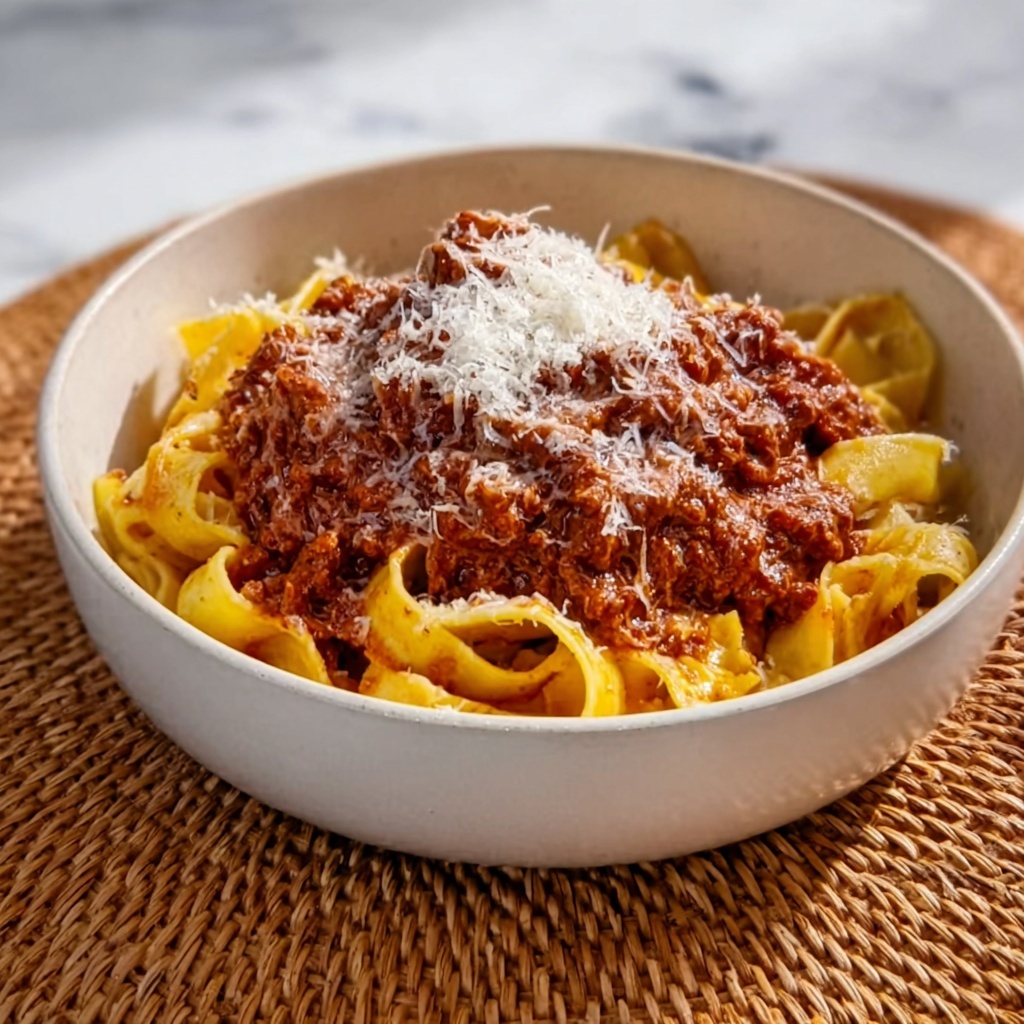
There’s something incredibly comforting about a rich, hearty sauce that’s packed with vibrant vegetables and flavorsome ingredients. This Veggie Bolognese Recipe is my go-to when I want a satisfying twist on the classic, with loads of fresh veggies taking center stage alongside traditional savory elements. It’s a dish that feels cozy and nourishing, yet light and fresh, perfect for sharing with friends or indulging in a quiet weeknight meal. You’ll love how the combination of zucchini, mushrooms, and carrots blends seamlessly into a luscious sauce that clings beautifully to your pasta.
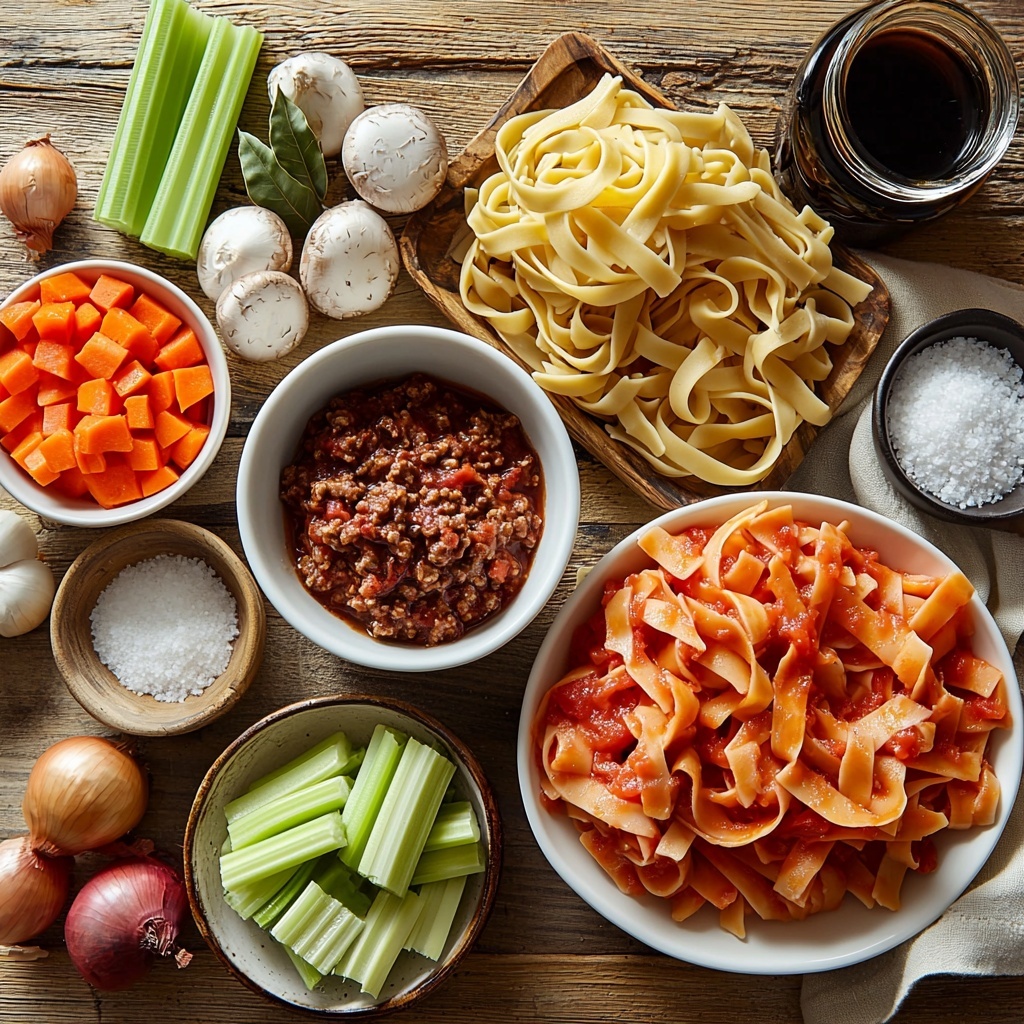
Ingredients You’ll Need
Getting the ingredients right is super important for this Veggie Bolognese Recipe, and the best part is how straightforward everything is. Each item brings a special touch—whether it’s the texture of grated zucchini or the deep umami punch from mushrooms—that elevates the final dish to something truly memorable.
- 2 tablespoons extra-virgin olive oil: The essential base for sautéing, giving that silky richness and aroma to the sauce.
- 1 onion (or 2 small onions), finely diced: Adds a subtle sweetness when cooked slowly, deepening the flavor of the sauce.
- 1 celery stalk, finely diced: Brings a fresh crunch and depth, balancing the sweetness of the carrots.
- 2 carrots, peeled and grated: Offers natural sweetness and a soft texture that melts into the sauce.
- 1 large zucchini (courgette) or 2 small zucchini, peeled and grated: Adds moisture and a mild earthiness, helping keep the sauce vibrant.
- ½ tsp sea salt flakes, plus extra to taste: Essential for drawing moisture from veggies and seasoning the sauce throughout.
- 200 g (7 oz) mushrooms, finely diced (Swiss brown suggested): Provides rich umami flavors and a meaty texture for the veggie-forward twist.
- 1 tsp freshly minced garlic: Gives a fragrant punch that lifts the sauce with every bite.
- 500 g (1 lb 2 oz) minced (ground) beef: Although this is a veggie-packed sauce, the beef adds heartiness and classic bolognese warmth.
- 2 tbsp tomato paste (concentrated puree): This deepens the tomato flavor to an intense, silky finish.
- 700 g (1 lb 9 oz) passata: The smooth base of this sauce, delivering that fresh tomato goodness.
- 2 cups (500 ml) beef stock: Enriches and adds savory complexity that keeps the sauce satisfying.
- 2 bay leaves (dry or fresh): Infuse subtle herbal fragrance, making the sauce fragrant and layered.
- 1 tsp caster (superfine) sugar: Balances the acidity of tomatoes for a perfectly rounded flavor.
- Freshly cracked black pepper, to taste: Adds just the right hint of spice and warmth.
- 400 g (14 oz) fettuccine (or pasta of choice), cooked as per packet instructions: The perfect vehicle for soaking up every bit of this luscious sauce.
- ½ cup (50 g) freshly grated parmesan, to serve: A final salty, creamy touch that pulls everything together beautifully.
How to Make Veggie Bolognese Recipe
Step 1: Cook the Veggies
Start by heating the olive oil in a large, heavy-based frying pan over medium–high heat. Toss in the finely diced onions, stirring gently for about 1 to 2 minutes until they begin to soften just a bit. Next, add the celery, grated carrots, zucchini, and half a teaspoon of sea salt flakes. This salt is vital here because it helps draw moisture from the veggies, making them tender without browning, which takes about 4 to 5 minutes. Once softened, stir in the diced mushrooms and garlic, cooking for another 2 to 3 minutes until the mushrooms release their juices and soften beautifully.
Step 2: Add the Beef
Now it’s time to bring in the minced beef. Add it directly to your vegetable mix and cook for around 2 to 3 minutes. Stir frequently to break up the meat and get a nice even browning, which seals in those juicy, savory flavors that are foundational to a great Bolognese sauce.
Step 3: Incorporate Tomato and Stock
Stir through the tomato paste thoroughly so it coats the meat and veggies, enriching the base with a deep tomato intensity. Immediately pour in the passata, followed by the beef stock, bay leaves, caster sugar, and a generous seasoning of black pepper and extra salt if needed. Bring this mixture to a gentle simmer, allowing all those flavors to mingle and develop.
Step 4: Simmer to Perfection
Reduce the heat to medium–low, cover the pan with the lid slightly ajar, and let the sauce simmer for 25 to 30 minutes. This slow cooking thickens the sauce and melds all the ingredients into one cohesive, fragrant, and rich mixture. Remember to stir occasionally to prevent sticking and encourage even cooking.
Step 5: Toss with Pasta and Serve
Once your sauce has become thick and irresistible, remove the bay leaves. Toss the cooked pasta directly into the sauce using tongs to ensure every strand is lavishly coated. Serve immediately with a generous sprinkle of freshly grated parmesan on top — this final touch makes every forkful melt in your mouth.
How to Serve Veggie Bolognese Recipe
Garnishes
To elevate your Veggie Bolognese Recipe to restaurant-quality, add fresh garnishes like torn basil leaves or a sprinkle of chopped parsley. A drizzle of good-quality extra-virgin olive oil over the top can also make the flavors pop and adds a gorgeous sheen to your plate. Don’t forget that finishing parmesan sprinkle for an irresistible salty, creamy burst.
Side Dishes
This hearty sauce pairs wonderfully with simple side dishes. A crisp green salad with a light vinaigrette adds freshness and crunch to balance the rich pasta. Garlic bread or toasted ciabatta barely need introduction—they’re perfect for mopping up every last bit of sauce and make the meal even more comforting.
Creative Ways to Present
Looking to impress? Serve your Veggie Bolognese Recipe over creamy polenta or silky mashed potatoes instead of pasta for a delightful twist. You can also layer the sauce in a vegan or traditional lasagna for a vegetable-forward meal with extra heartiness. For a fun dinner party idea, try stuffed bell peppers filled with the bolognese sauce and topped with melted cheese or parmesan.
Make Ahead and Storage
Storing Leftovers
Your Veggie Bolognese Recipe keeps beautifully in the fridge for 3 to 4 days. Store it in an airtight container to preserve its vibrant flavor and texture. The vegetables stay tender, and the sauce actually deepens in flavor after resting, making leftovers just as enticing.
Freezing
This sauce freezes extremely well for up to 3 months, making it perfect for batch cooking. Cool the sauce completely before transferring it into freezer-safe containers or bags. When you’re ready for a quick, nourishing meal, thaw it overnight in the fridge for best results.
Reheating
Reheat your Veggie Bolognese Recipe gently on the stove over medium heat, stirring occasionally until warmed through. If it seems too thick after refrigeration or freezing, add a splash of water or stock to loosen it up without losing any of that rich flavor.
FAQs
Can I make this Veggie Bolognese Recipe vegetarian or vegan?
Absolutely! Simply skip the minced beef and use lentils, plant-based mince, or extra mushrooms for that hearty texture. Make sure to substitute beef stock with vegetable stock for a fully plant-based version.
What pasta works best with Veggie Bolognese Recipe?
While fettuccine is fantastic for its wide ribbons that hold sauce well, this recipe is very versatile. Tagliatelle, pappardelle, or even classic spaghetti are delicious choices and will soak up the sauce beautifully.
Can I prepare this recipe in advance?
Yes! The sauce actually develops more depth in flavor if made a day ahead. Just cool, store in the fridge, and reheat gently on the day you plan to enjoy it.
How can I reduce the cooking time?
For a quicker version, use finely chopped veggies instead of grated, which cook faster. Also, you can skip the simmering step and instead cook everything together until the meat is done and the sauce thickens lightly, though the richer flavor comes with the longer simmer.
What’s the best way to grate zucchini without it becoming too watery?
Peeling and grating zucchini is key, but to prevent wateriness, salt it and let it sit in a colander for 10 minutes, then press out excess moisture with a clean towel. This helps keep your Veggie Bolognese sauce from becoming diluted.
Final Thoughts
I can’t recommend making this Veggie Bolognese Recipe enough—it’s a joyous way to eat your veggies and enjoy a classic comfort meal all in one. You’ll find that the interplay of fresh ingredients, slow simmering, and simple techniques rewards you with a saucy magic that feels both nourishing and celebratory. Give it a try, share it with those you love, and watch it become a staple recipe in your kitchen rotation.
“`
Print
Veggie Bolognese Recipe
- Prep Time: 15 minutes
- Cook Time: 35 minutes
- Total Time: 50 minutes
- Yield: 4 servings
- Category: Main Course
- Method: Stovetop
- Cuisine: Italian
Description
This Veggie Bolognese is a hearty and flavorful twist on the classic Italian meat sauce, incorporating finely diced and grated vegetables for added nutrition and texture. Cooked slowly to blend the rich flavors of beef, fresh veggies, and tomato passata, it pairs perfectly with your favorite pasta for a comforting, family-friendly meal.
Ingredients
Vegetables
- 2 tablespoons extra-virgin olive oil
- 1 onion (or 2 small onions), finely diced
- 1 celery stalk, finely diced
- 2 carrots, peeled and grated
- 1 large zucchini (courgette) or 2 small zucchini, peeled and grated
- ½ tsp sea salt flakes, plus extra to taste
- 200 g (7 oz) mushrooms, finely diced (I used Swiss brown)
- 1 tsp freshly minced garlic
Meat and Sauce
- 500 g (1 lb 2 oz) minced (ground) beef
- 2 tbsp tomato paste (concentrated puree)
- 700 g (1 lb 9 oz) passata
- 2 cups (500 ml) beef stock
- 2 bay leaves (dry or fresh)
- 1 tsp caster (superfine) sugar
- Freshly cracked black pepper, to taste
Pasta and Garnish
- 400 g (14 oz) fettuccine (or pasta of choice), cooked as per the packet instructions
- ½ cup (50 g) freshly grated parmesan, to serve
Instructions
- Cook the veggies – Heat the oil in a large, heavy-based frying pan over medium–high heat. Add the diced onion and cook, stirring, for 1–2 minutes until slightly softened.
- Sauté vegetables – Add the finely diced celery, grated carrot, grated zucchini, and ½ teaspoon of sea salt. Cook, stirring frequently, for 4–5 minutes until the vegetables have softened. The salt helps draw out moisture and tenderize the veggies without browning them.
- Add mushrooms and garlic – Stir in the diced mushrooms and freshly minced garlic. Continue cooking and stirring for 2–3 minutes until the mushrooms soften.
- Brown the beef – Add the minced beef to the pan, stirring and breaking it up with a spoon. Cook for 2–3 minutes until the beef is browned all over.
- Incorporate tomato paste – Stir the tomato paste into the beef and vegetable mixture, allowing it to cook briefly to enhance flavor.
- Add liquids and seasoning – Immediately pour in the passata, beef stock, bay leaves, caster sugar, and season with salt and freshly cracked black pepper to taste. Stir well to combine and bring the mixture to a gentle simmer.
- Simmer the sauce – Reduce heat to medium–low, cover the pan with the lid slightly ajar, and let the sauce simmer gently for 25–30 minutes. Stir occasionally until the sauce thickens and flavors meld.
- Toss pasta and serve – Remove and discard the bay leaves. Combine the cooked fettuccine with the sauce using tongs to coat evenly. Serve immediately, sprinkled generously with freshly grated parmesan.
Notes
- Using sea salt helps draw out moisture from the vegetables, ensuring they soften properly without browning.
- Grating the carrots and zucchini means they cook quickly and blend seamlessly into the sauce, adding moisture and nutrition.
- Swiss brown mushrooms are preferred for their meaty texture and earthy flavor, but any mushroom variety can be used.
- If you want to make this dish vegetarian, substitute the ground beef with finely diced mushrooms or plant-based mince and use vegetable stock instead.
- For a richer sauce, you can add a splash of red wine during the simmering stage.
- Leftover sauce keeps well in the fridge for up to 3 days and freezes beautifully for up to 3 months.