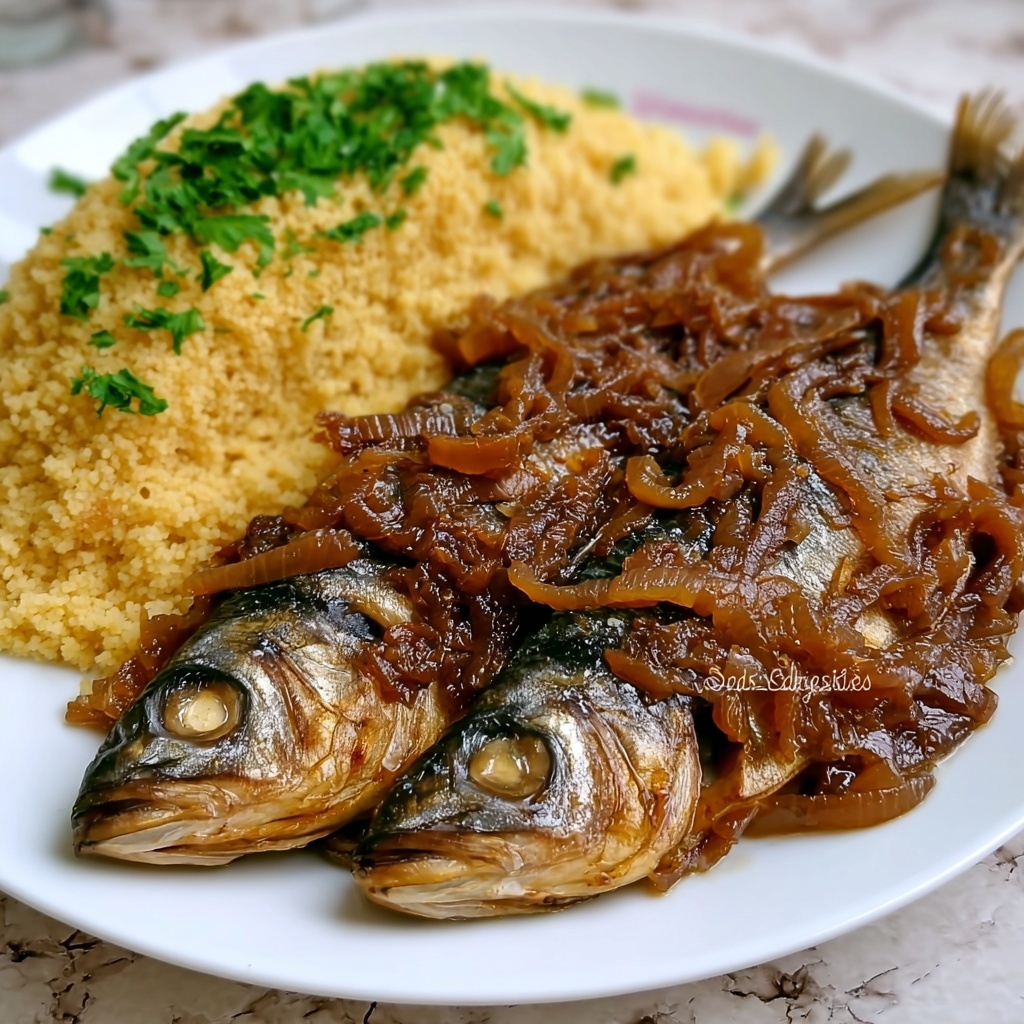
If you have never tried Matemba and Sadza: A Savory Zambian Dried Fish with Cornmeal Porridge Recipe, you are in for a true culinary treat from the heart of Zambia. This dish marries the rich, salty depth of dried small fish known as matemba with the comforting, creamy texture of sadza—a smooth cornmeal porridge that is a staple in many Southern African homes. The combination is not only delicious but also simple to prepare, offering a warming meal that fills both the belly and the soul. Whether you’re exploring new flavors or looking for a nutritious, hearty dish, this savory blend invites you to savor authentic Zambian comfort food at its best.
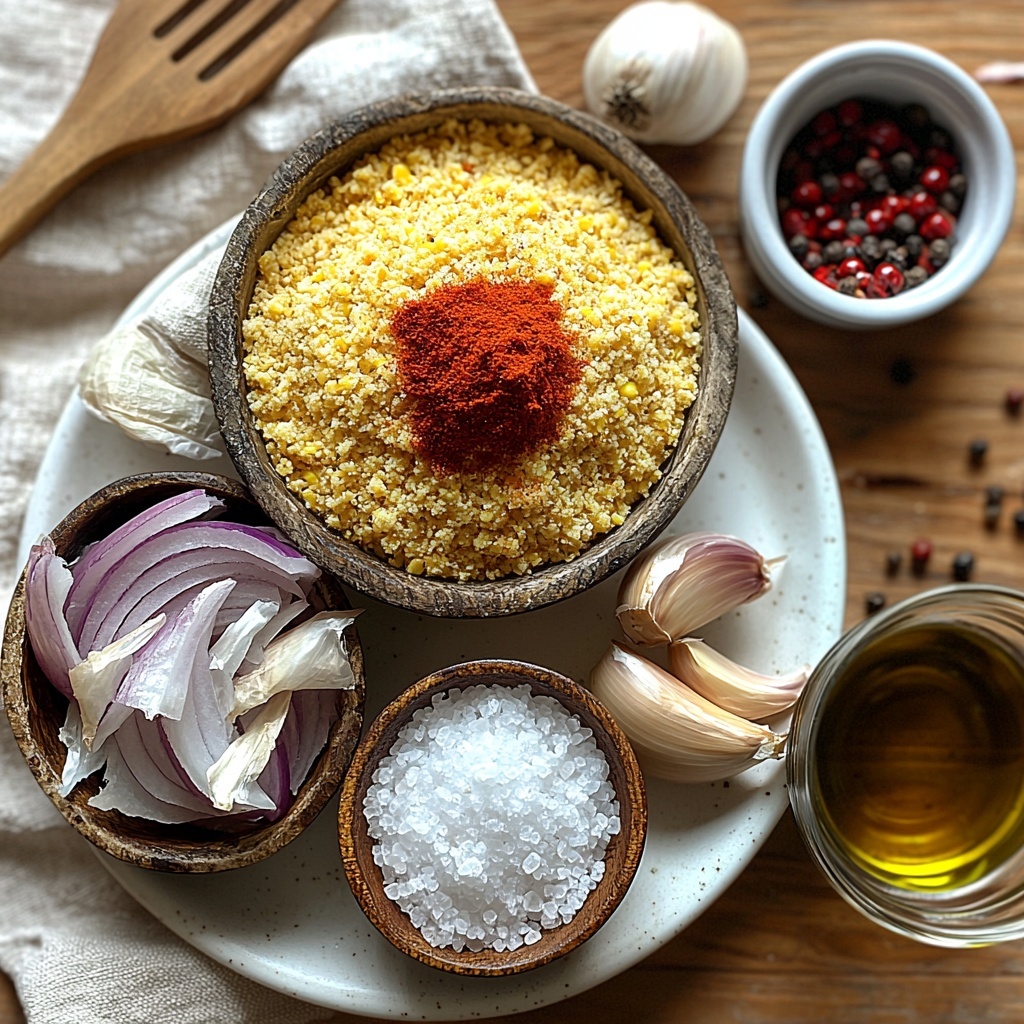
Ingredients You’ll Need
To create the perfect blend of flavors and textures in this dish, you only need a handful of carefully chosen ingredients. Each one plays a vital role, whether it’s adding aroma, seasoning, or that essential heartiness that makes this meal so satisfying.
- 2 cups dried small fish (matemba): The star ingredient—salty, flavorful, and packed with umami.
- 1 tablespoon cooking oil: For sautéing and bringing all the flavors together.
- 1 medium onion, diced: Adds sweetness and depth when cooked gently.
- 2 cloves garlic, minced: Gives a subtle punch and aroma to the fish.
- 1 teaspoon smoked paprika: Imparts a smoky warmth that complements the fish.
- 1 teaspoon sea salt: Balances and enhances the natural flavors.
- 1/2 teaspoon freshly ground black pepper: Adds a mild heat and earthiness.
- 1/4 teaspoon red pepper flakes (optional): For an extra kick if you like some spice.
- 4 cups water: Used to make the cornmeal porridge smoothly.
- 1 cup cornmeal: The base of the sadza, giving it that creamy and firm consistency.
- 1/2 teaspoon granulated sugar: Balances the savory elements with a hint of sweetness.
- 1/4 teaspoon extra salt (for corn porridge): Ensures the sadza is perfectly seasoned.
How to Make Matemba and Sadza: A Savory Zambian Dried Fish with Cornmeal Porridge Recipe
Step 1: Prepare the Matemba
Begin by rinsing the dried small fish thoroughly under cold water. This crucial step removes any excess salt and impurities, ensuring your dish tastes fresh and balanced. Drain the fish well and set it aside—this will be the flavorful protein that completes your meal.
Step 2: Sauté the Aromatics
Heat the cooking oil in a large frying pan over medium heat. Add the diced onion and cook until soft and translucent, which usually takes about five minutes. This gentle sauté brings out the natural sweetness of the onion, setting a wonderful foundation for the dish.
Step 3: Build the Flavor Base
Next, stir in the minced garlic along with smoked paprika, sea salt, black pepper, and optional red pepper flakes. Give everything a good mix and let it cook for about a minute more. This step releases the fragrant oils from the spices, creating an irresistible aroma that will make your kitchen feel like a cozy African eatery.
Step 4: Cook the Fish
Add the drained matemba to the pan and cook for approximately ten minutes. Stir occasionally so the fish heats through evenly and develops a slight crispness on the edges—this texture contrast between tender and crispy makes each bite exciting. Once done, remove the pan from heat but keep it warm for serving.
Step 5: Make the Sadza
In a separate saucepan, bring four cups of water to a vigorous boil. Gradually whisk in the cornmeal, making sure to stir constantly to prevent lumps from forming. Reduce the heat and continue stirring until the mixture thickens and becomes creamy, about five to seven minutes. This step is the key to perfectly smooth sadza.
Step 6: Final Touches to Sadza
Stir in the sugar and extra salt, blending them thoroughly to balance the flavors. When the sadza thickens enough to pull away from the sides of the pot, take it off the heat, cover, and let it rest for a few minutes. This resting period firms up the porridge just enough for easy serving.
Step 7: Serve and Enjoy
Dish out the luscious sadza alongside the warm, savory matemba. Use a spoon to scoop up the cornmeal porridge, pairing it delightfully with the flavorful fish for a classic experience that highlights the essence of this authentic recipe.
How to Serve Matemba and Sadza: A Savory Zambian Dried Fish with Cornmeal Porridge Recipe
Garnishes
While the dish is delicious on its own, a sprinkle of fresh chopped parsley or a squeeze of lemon can brighten the flavors beautifully. These simple garnishes add a fresh, zesty contrast to the richness of the fish and the creaminess of the sadza.
Side Dishes
If you want to extend your meal, steamed leafy greens like kale or spinach work wonderfully here. Their slight bitterness and crunch add a healthy balance that complements the dense textures of the main dish perfectly.
Creative Ways to Present
For a modern twist, try serving the sadza in small individual bowls topped with matemba, drizzled with a dash of chili oil or a fresh tomato relish. This presentation turns your traditional recipe into a feast for both the eyes and the palate, impressing guests and family alike.
Make Ahead and Storage
Storing Leftovers
Leftover matemba and sadza can be stored in airtight containers in the refrigerator for 3-4 days. Keeping them chilled preserves the flavors, so you can easily enjoy this savory Zambian classic the next day with almost no loss in taste or texture.
Freezing
If you want to save the dish for longer, you can freeze both the fish and the sadza separately in freezer-safe containers. Properly stored, they will maintain good quality for up to 1 month. When ready to use, thaw them overnight in the fridge for best results.
Reheating
Reheat the matemba gently in a pan over low heat to preserve its crispness, while the sadza can be warmed on the stove with a splash of water to restore its creamy consistency. Avoid microwaving if possible, as reheating this dish slowly brings back its original comforting texture and flavor.
FAQs
What is matemba?
Matemba are small, dried fish commonly used in Zambian cuisine. They are known for their strong, salty flavor and are often paired with maize-based dishes like sadza.
Can I use fresh fish instead of dried?
Fresh fish won’t provide the same salty, concentrated flavor and texture that dried matemba offers. However, you could experiment with fresh fish if dried matemba is unavailable, but expect a different taste profile.
Is sadza gluten-free?
Yes, sadza is made from pure cornmeal and contains no gluten. It is a naturally gluten-free dish, making it an excellent option for people with gluten sensitivities.
Can I add vegetables to the dish?
Absolutely! While the traditional recipe focuses on matemba and sadza, sautéed or steamed vegetables like spinach or tomatoes can be served alongside or mixed in for extra nutrition and color.
How spicy is this dish?
The spice level is mild to medium depending on whether you add the red pepper flakes. You can adjust the heat to your preference, making it customizable for all palates.
Final Thoughts
Matemba and Sadza: A Savory Zambian Dried Fish with Cornmeal Porridge Recipe is truly a celebration of simple ingredients brought together with love and tradition. It is easy to prepare yet so flavorful that it becomes an instant favorite. I encourage you to try this dish—experience the rich heritage of Zambia through every bite and enjoy a taste that feels like home, no matter where you are.
Print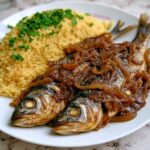
Matemba and Sadza: A Savory Zambian Dried Fish with Cornmeal Porridge Recipe
- Prep Time: 10 minutes
- Cook Time: 25 minutes
- Total Time: 35 minutes
- Yield: 4 servings
- Category: Main Course
- Method: Frying
- Cuisine: Zimbabwean
Description
Experience the savory and comforting flavors of Matemba and Sadza, a traditional Zimbabwean dish featuring crispy dried small fish sautéed with aromatic spices, paired perfectly with creamy cornmeal porridge. This quick and easy recipe serves 4 and offers a delightful combination of textures and tastes, ideal for a satisfying meal any day of the week.
Ingredients
Matemba (Dried Fish) and Seasonings
- 2 cups dried small fish (matemba)
- 1 tablespoon cooking oil
- 1 medium onion, diced
- 2 cloves garlic, minced
- 1 teaspoon smoked paprika
- 1 teaspoon sea salt
- 1/2 teaspoon freshly ground black pepper
- 1/4 teaspoon red pepper flakes (optional)
Sadza (Cornmeal Porridge)
- 4 cups water
- 1 cup cornmeal
- 1/2 teaspoon granulated sugar
- 1/4 teaspoon extra salt (for corn porridge)
Instructions
- Prepare the Fish: Rinse the dried small fish thoroughly under cold running water to remove any excess salt and impurities. Drain well and set aside for cooking.
- Sauté Aromatics: Heat the cooking oil in a large frying pan over medium heat. Add the diced onion and sauté until soft and translucent, about 5 minutes.
- Add Spices: Stir in the minced garlic, smoked paprika, sea salt, black pepper, and optional red pepper flakes. Cook for an additional minute to enhance the flavors.
- Cook the Fish: Add the drained dried fish to the pan and cook for approximately 10 minutes, stirring occasionally until the fish is heated through and slightly crispy. Remove from heat and keep warm.
- Boil Water for Sadza: In a separate saucepan, bring 4 cups of water to a rolling boil.
- Add Cornmeal: Gradually whisk the cornmeal into the boiling water, stirring continuously to prevent lumps.
- Cook Sadza: Reduce heat to low and stir constantly until the mixture thickens and pulls away from the sides of the pot, about 5-7 minutes.
- Season Sadza: Stir in the sugar and additional salt to the thickened porridge, making sure everything is well combined.
- Rest Sadza: Remove the pot from heat, cover, and let the sadza rest for a few minutes to firm up.
- Serve: Plate the creamy sadza alongside the savory matemba. Use a spoon to scoop the sadza and enjoy it together with the crispy dried fish.
Notes
- Rinsing the dried fish is important to remove excess salt and impurities for a better flavor balance.
- You can omit red pepper flakes if you prefer a milder dish.
- The sadza should have a thick, smooth consistency that holds its shape when served.
- Use a non-stick or heavy-bottomed pan to prevent the cornmeal porridge from sticking and burning.
- Matemba can be substituted with other small dried fish varieties depending on availability.