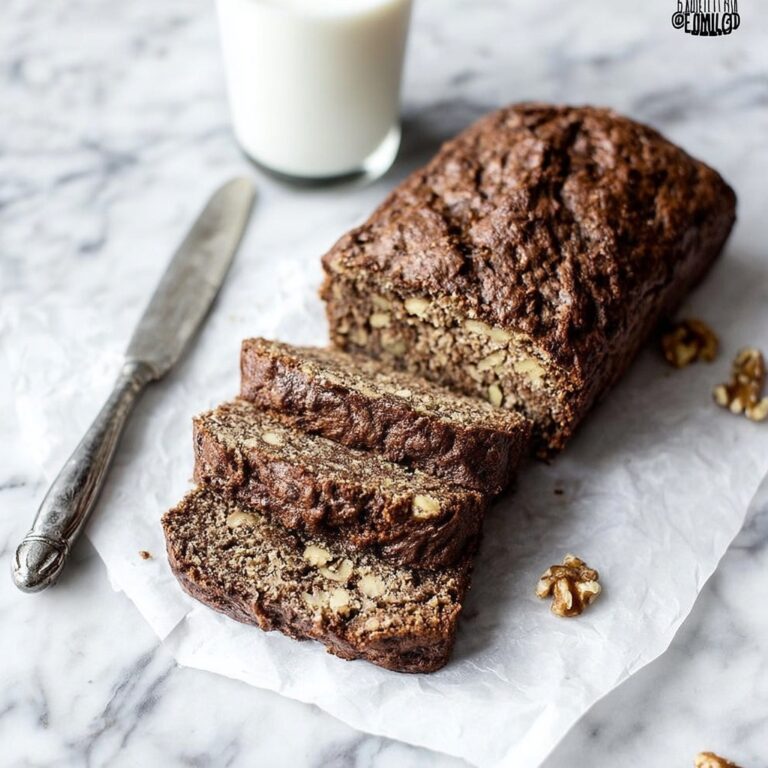

If you are craving a hearty, wholesome dish that warms the soul and celebrates the simplicity of fresh, garden-grown ingredients, then the Colonial Vegetable Pottage Recipe is your new best friend. This traditional, nourishing stew marries an array of vibrant vegetables with aromatic herbs and creamy oats, creating a delightful texture and flavor that feels both rustic and comforting. Whether you want a nourishing meal for a chilly day or a dish to share with friends, this recipe is pure culinary nostalgia served in a bowl.
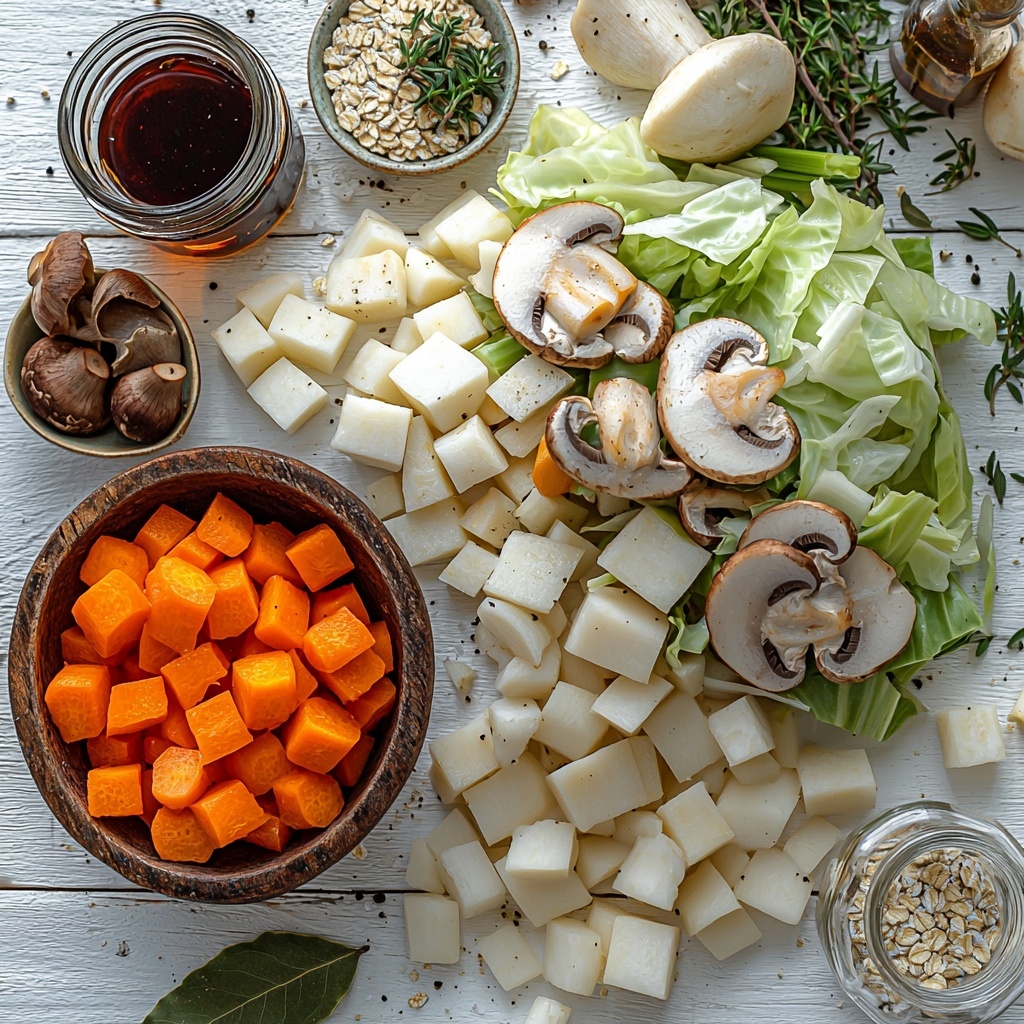
Ingredients You’ll Need
Gathering these simple yet essential ingredients makes putting together this pottage an absolute joy. Each component contributes uniquely, from the sweetness of the carrots to the earthiness of mushrooms, creating a perfectly balanced pot of goodness.
- 1 cup carrots, peeled and diced: Adds natural sweetness and vibrant color to the stew.
- 1 cup onion, diced: Provides a savory base flavor that deepens the overall taste.
- 1 cup root vegetable (parsnip or turnip), peeled and diced: Brings an earthy, slightly peppery undertone essential to the traditional pottage.
- 1 cup leek, cleaned and roughly chopped: Adds a subtle onion-like aroma with a mild sweetness.
- 1 cup cabbage, roughly chopped: Introduces texture and a slight crispness that softens as it cooks.
- 1 cup mushrooms (any variety), roughly chopped: Imparts umami richness and a tender bite.
- ½ teaspoon dried thyme: Offers a fragrant, herbaceous note that complements the vegetables beautifully.
- ½ teaspoon dried rosemary: Gives a piney, aromatic touch that elevates the stew’s flavor profile.
- ½ teaspoon ground sage: Adds a warm, slightly peppery nuance, perfect for cozy dishes.
- 8 cups vegetable or chicken stock: The flavorful liquid base that ties all ingredients together harmoniously.
- 1 bay leaf: Delivers subtle depth and complexity as the pottage simmers.
- 1 cup rolled oats: Thickens the stew naturally, giving it a rich and satisfying texture.
- 1 tablespoon vinegar (such as apple cider vinegar): Brightens and balances the richness with a gentle tang.
- Kosher salt and freshly cracked black pepper, to taste: Essential seasonings to bring out all the flavors at the end.
How to Make Colonial Vegetable Pottage Recipe
Step 1: Cook Root Vegetables
Begin by gathering your peeled and diced carrots, onion, and root vegetable like parsnip or turnip. Add them to a large pot or Dutch oven with about ¼ cup of your stock. Cook over medium heat for about 10 minutes. This softens the vegetables and starts to build that warm, inviting aroma that sets the stage for the rest of the dish.
Step 2: Add Remaining Vegetables and Herbs
Next, it’s time to add the leeks, cabbage, mushrooms, and your carefully measured herbs — thyme, rosemary, and sage. Stir everything gently to combine, letting the vegetables mingle. Cook for about 5 minutes, allowing their flavors to start harmonizing before the big simmer.
Step 3: Simmer with Stock
Pour in the remaining stock along with the bay leaf, then bring the whole pot to a boil. Once boiling, reduce the heat and let it simmer partially covered for 30 minutes. This cooking time is crucial as it helps deepen the ingredients’ flavors while the vegetables cook down to tender perfection.
Step 4: Add Oats
Stir in the rolled oats, which will naturally thicken the pottage and add a lovely creamy texture. Continue simmering uncovered for another 20 minutes. The oats become tender, and the stew thickens just right — hearty and satisfying without feeling heavy.
Step 5: Season and Serve
Finally, remove the bay leaf and stir in the tablespoon of vinegar to brighten the flavors. Season generously with kosher salt and freshly cracked black pepper to taste. Serve your Colonial Vegetable Pottage Recipe hot, letting the warmth and homely flavors comfort you with every spoonful.
How to Serve Colonial Vegetable Pottage Recipe
Garnishes
Pottage is pretty much perfect on its own, but garnishing can take it to the next level. Try a sprinkle of fresh chopped parsley or chives for a fresh pop of color and a whisper of herbal brightness. A drizzle of good olive oil or a pat of butter on top can add luscious richness that melts right into the warm stew.
Side Dishes
This vegetable pottage pairs wonderfully with crusty bread or warm, buttered toast to help scoop up every bit. For a fuller meal, a simple green salad or some roasted root vegetables can complement the rustic flavors. Because it’s so substantial, it can also shine as the centerpiece of a cozy dinner.
Creative Ways to Present
Looking to impress your guests? Serve the pottage in small, rustic crocks or mini cast iron pots for an authentic colonial vibe. You can also present it with a side of homemade herb-infused crackers or sprinkle toasted nuts on top for a surprising texture contrast that’s absolutely delightful.
Make Ahead and Storage
Storing Leftovers
Colonial Vegetable Pottage Recipe keeps beautifully in the fridge for 3 to 4 days, making it a fantastic meal-prep option. Store it in an airtight container to preserve the freshness and flavors. If the stew thickens too much after refrigeration, just add a splash of stock or water when reheating.
Freezing
This pottage freezes exceptionally well. Divide it into freezer-safe containers and store for up to 3 months. When you’re ready to enjoy it again, thaw overnight in the refrigerator to maintain the integrity of the textures and flavors. It’s a lifesaver for busy days when you want a wholesome meal fast.
Reheating
Reheat gently over low to medium heat on the stove, stirring occasionally to prevent sticking. You can also microwave it in short bursts, stirring in between. Add a little broth or water if needed to loosen the texture. Freshen it up with a splash of vinegar or an extra sprinkle of herbs before serving.
FAQs
Can I substitute the oats with something else?
Yes! While rolled oats give the pottage a lovely creamy thickness, you can substitute with barley or cracked wheat for a similar effect. Keep an eye on cooking times, as some grains may require longer to soften.
Is this recipe vegetarian or vegan?
The recipe is vegetarian as written, especially if you use vegetable stock. For a vegan version, simply ensure your stock is plant-based and skip any dairy-based sides. The oats and veggies offer plenty of hearty substance.
What’s the best way to clean leeks for this dish?
Leeks can trap dirt between their layers, so slice them and rinse thoroughly under running water, separating the layers to remove grit. A bowl of cold water works well to let the dirt settle before draining.
Can I add other vegetables to this pottage?
Absolutely! Feel free to add seasonal vegetables like potatoes, celery, or green beans. Just adjust cooking times as some veggies may need longer or shorter simmering to reach perfect tenderness.
How can I make this pottage more filling?
Adding cooked beans or lentils can boost the protein content and make it even heartier. Alternatively, serve it alongside grain-based sides like quinoa or farro for a satisfying, balanced meal.
Final Thoughts
There is something truly timeless about the Colonial Vegetable Pottage Recipe. It reminds us that simple, earthy ingredients can come together to create a deeply satisfying, flavorful meal that feels like a warm embrace. Whether you’re new to cooking or a seasoned home chef, this pottage is a wonderful way to connect with culinary tradition while nourishing your body and spirit. Grab your pot, invite some good company, and enjoy every spoonful of this delightful dish.
Print
Colonial Vegetable Pottage Recipe
- Prep Time: 15 minutes
- Cook Time: 55 minutes
- Total Time: 1 hour 10 minutes
- Yield: 36 servings
- Category: Soup
- Method: Stovetop
- Cuisine: Colonial American
- Diet: Vegetarian
Description
Colonial Vegetable Pottage is a hearty, comforting vegetable stew made with a variety of root and leafy vegetables, aromatic herbs, and rolled oats, simmered slowly to create a thick, nourishing soup perfect for chilly days.
Ingredients
Vegetables
- 1 cup carrots, peeled and diced
- 1 cup onion, diced
- 1 cup root vegetable (parsnip or turnip), peeled and diced
- 1 cup leek, cleaned and roughly chopped
- 1 cup cabbage, roughly chopped
- 1 cup mushrooms (any variety), roughly chopped
Herbs and Seasonings
- ½ teaspoon dried thyme
- ½ teaspoon dried rosemary
- ½ teaspoon ground sage
- 1 bay leaf
- Kosher salt, to taste
- Freshly cracked black pepper, to taste
Liquids and Others
- 8 cups vegetable or chicken stock
- 1 cup rolled oats
- 1 tablespoon vinegar (such as apple cider vinegar)
Instructions
- Cook Root Vegetables: In a large pot or Dutch oven, combine carrots, onion, root vegetables (parsnip or turnip), and ¼ cup of the stock. Cook over medium heat for 10 minutes, or until the vegetables begin to soften.
- Add Remaining Vegetables and Herbs: Add leeks, cabbage, mushrooms, thyme, rosemary, and sage to the pot. Cook for 5 minutes, stirring occasionally to evenly combine the flavors and soften the vegetables.
- Simmer with Stock: Pour in the remaining stock and add the bay leaf. Bring the mixture to a boil, then reduce heat to low and simmer partially covered for 30 minutes, allowing the flavors to meld and the vegetables to become tender.
- Add Oats: Stir in the rolled oats and continue to simmer uncovered for 20 minutes, or until the oats are tender and the soup has thickened to a hearty consistency.
- Season and Serve: Remove the bay leaf. Stir in the vinegar to brighten the flavors, then season with kosher salt and freshly cracked black pepper to taste. Serve hot for a comforting meal.
Notes
- You can substitute the root vegetables with any preferred seasonal veggies like rutabaga or sweet potatoes.
- Use vegetable stock for a vegetarian version, or chicken stock for a richer, non-vegetarian flavor.
- The rolled oats act as a natural thickener and add a creamy texture without needing cream or flour.
- Add fresh herbs like parsley or chives before serving for added freshness.
- This soup stores well in the refrigerator for up to 4 days and can be frozen for up to 3 months.