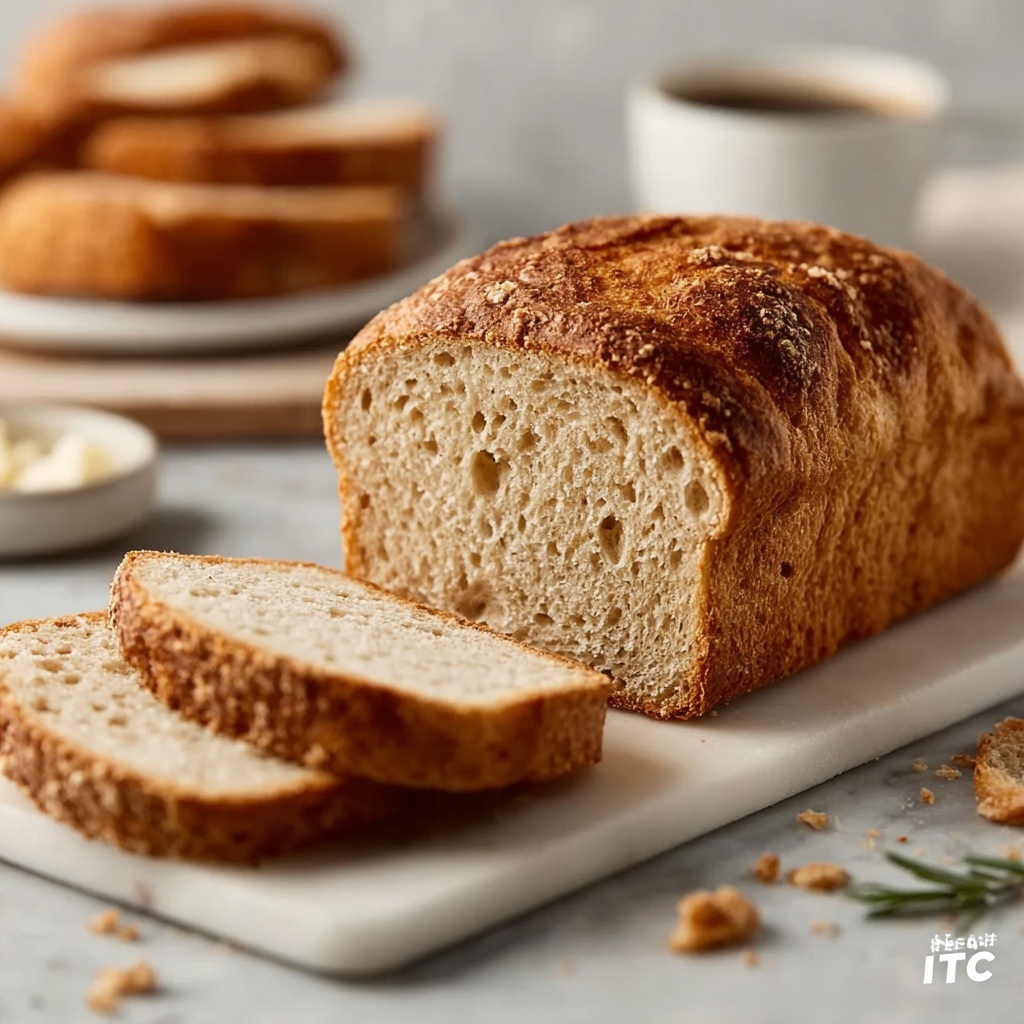
If you’re diving into the world of low-carb living but don’t want to give up the comfort of fresh, warm bread, then you’re in for a treat. This collection of Keto Bread Recipes for Low-Carb Baking – Simple, Satisfying, and Versatile Recipe options brings you the perfect solution. From almond flour to coconut flour bases, these recipes promise breads that are fluffy, hearty, and incredibly easy to make at home, ensuring you never feel deprived while keeping things keto-friendly. Plus, these breads are so adaptable, you’ll find yourself experimenting with them in countless meals.
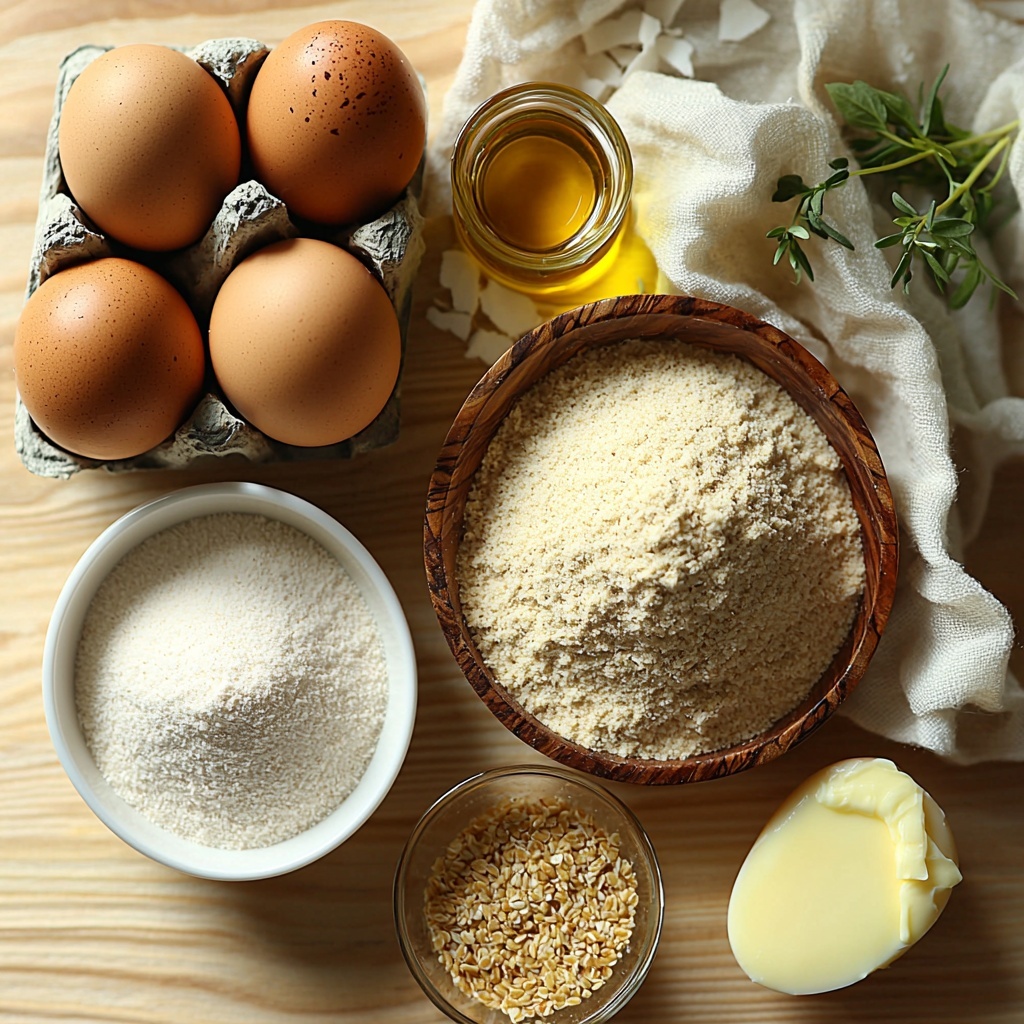
Ingredients You’ll Need
These recipes rely on straightforward ingredients that serve crucial roles in flavor, texture, and appearance. Every element is chosen not just for nutrition, but to create the ideal low-carb bread experience that’s both tender and resilient.
- Blanched almond flour: Provides a moist, nutty base with excellent binding properties for lightness and flavor.
- Ground psyllium husk: Essential for that “bready” texture, it helps retain moisture and gives structure like traditional gluten.
- Baking powder: Your natural leavening agent for light and fluffy loaves with a beautiful rise.
- Fine salt: Accentuates flavor and balances the ingredients perfectly.
- Large eggs: Bind everything together and add richness, ensuring your bread slices cleanly.
- Unsweetened almond milk or water: Hydrates the batter, keeping it delicate yet stable.
- Olive oil or melted butter: Adds moisture and a subtle richness that enhances flavor.
- Apple cider vinegar (optional): A little lift that improves crumb texture and rise.
- Coconut flour: Offers a lighter, slightly sweet flavor and works wonderfully as a grain-free alternative.
- Golden flaxseed meal: Adds extra fiber and a gentle nuttiness while improving moisture retention.
- Sweetener (optional): For those who want a touch of brioche-style sweetness without the carbs.
- Garlic powder or everything seasoning (optional): Introduces a savory twist, perfect for sandwich bread variations.
How to Make Keto Bread Recipes for Low-Carb Baking – Simple, Satisfying, and Versatile Recipe
Step 1: Preheat and Prep Your Pan
Start by heating your oven to 350°F (175°C) and lining an 8.5 x 4.5-inch loaf pan with parchment paper. Leaving some overhang on the paper makes lifting the loaf out a breeze later on, so don’t skip this little trick—it saves you from having to struggle with removal after baking.
Step 2: Mix the Dry Ingredients
In a large bowl, whisk together the almond flour, ground psyllium husk, baking powder, and salt until there are no lumps. This ensures an even distribution of your leavening agents and fiber, which is crucial for a uniform texture. Taking a moment here will pay off in a tender crumb.
Step 3: Whisk the Wet Ingredients
In a separate bowl, vigorously whisk the eggs, unsweetened almond milk, olive oil or melted butter, and optional apple cider vinegar until smooth and slightly frothy. This step adds air into the batter, helping your bread rise nicely while keeping it moist.
Step 4: Combine the Wet and Dry
Pour the liquid mixture into the dry bowl and gently stir with a spatula until a thick, spreadable batter forms. It’s important not to overmix here, as that can lead to a dense bread. The batter should feel substantial but still easy to spread into the pan.
Step 5: Fill the Pan and Shape the Loaf
Spoon your batter into the lined pan. Smooth the top using a damp spatula to create a clean surface, then score a shallow line down the center. This scoring guides the bread to rise evenly, resulting in a perfectly shaped loaf.
Step 6: Bake
Bake for 35 to 45 minutes until the top is golden and a toothpick inserted in the center comes out clean. If you notice the bread is browning too quickly, tent it loosely with foil to prevent burning while allowing the center to bake through perfectly.
Step 7: Cool Completely Before Slicing
Allow the bread to cool in the pan for about 10 minutes to set, then lift it out using the parchment paper overhang and let it cool fully on a wire rack. This is a crucial step to avoid crumbling when slicing—patience here really pays off.
Optional Variations Using Coconut Flour or Mug Bread
For coconut flour versions, combine coconut flour, flaxseed meal, baking powder, and salt, whisk wet ingredients, hydrate for a few minutes, then bake similarly but for 40–50 minutes. Alternatively, try the quick microwave mug bread: a mix of flour, baking powder, salt, egg, and melted butter microwaved for just over a minute. Both create wonderful low-carb bread options for quick snacks or meal prep.
How to Serve Keto Bread Recipes for Low-Carb Baking – Simple, Satisfying, and Versatile Recipe
Garnishes
Adding garnishes like sesame seeds, poppy seeds, or cracked pepper before baking provides a delightful crunch and extra visual appeal. You could also brush the top with melted butter and sprinkle garlic powder or herbs for savory notes that make the bread irresistible.
Side Dishes
This bread pairs beautifully with a variety of sides—from creamy avocado spreads and scrambled eggs at breakfast to rich, hearty soups and stews at lunch or dinner. Its satisfying texture holds up well, making it perfect for dipping or stacking with your favorite fillings.
Creative Ways to Present
Slice and toast the bread to make crisp sandwiches, or cut into cubes and lightly toast for savory croutons to top salads and soups. You could also use it as the base for open-faced mini pizzas or bruschetta, showcasing its versatility and keeping your low-carb meals exciting.
Make Ahead and Storage
Storing Leftovers
Once cooled completely, wrap your bread tightly in plastic wrap or keep it in an airtight container. Stored at room temperature, it stays fresh for up to three days; refrigeration extends its life to about a week without compromising texture.
Freezing
Keto bread freezes wonderfully. Slice before freezing if you plan to use portions at a time, then wrap tightly in plastic wrap and place in a freezer bag. It keeps for up to three months, letting you enjoy low-carb goodness anytime with minimal effort.
Reheating
Reheat slices by toasting or warming gently in the oven. This refreshes the bread’s texture and brings back its delightful aroma. Avoid microwaving for reheating as this can toughen the crumb.
FAQs
Can I substitute almond flour with coconut flour in these recipes?
Coconut flour behaves very differently from almond flour, absorbing more moisture and requiring more eggs or liquid. The recipes included offer a version using coconut flour, so I recommend following those specific instructions rather than substituting directly to ensure the best results.
Why is psyllium husk important in keto bread?
Psyllium husk replicates some of the elasticity and moisture-retention properties of gluten, which is absent in keto flours. It helps create a chewy, bread-like texture that doesn’t crumble easily.
Can I make these breads dairy-free?
Absolutely! Use olive oil instead of butter and choose plant-based milk options like almond or coconut milk. The recipes already emphasize unsweetened almond milk, making dairy-free baking straightforward.
How do I prevent my keto bread from tasting eggy?
Using fresh eggs and not overmixing the batter helps minimize eggy flavor. Adding a touch of apple cider vinegar or your favorite seasonings can also balance and enhance the overall taste.
Is it possible to make sweet keto bread with these recipes?
Yes! Adding a low-carb sweetener like erythritol or monk fruit in the coconut flour variation imparts a faint brioche-like sweetness. Incorporating spices like cinnamon or vanilla extract can further enhance the sweeter profile.
Final Thoughts
These Keto Bread Recipes for Low-Carb Baking – Simple, Satisfying, and Versatile Recipe options open a delightful door to enjoying fresh, homemade bread without the carbs that typically hold you back. Whether you’re new to keto or a seasoned pro, embracing these recipes will transform your baking routine and bring comforting, buttery, and fluffy breads to your table whenever you crave them. Go ahead and try one or all versions—you’ll be hooked in no time!
Print
Keto Bread Recipes for Low-Carb Baking – Simple, Satisfying, and Versatile Recipe
- Prep Time: 15 minutes
- Cook Time: 35-50 minutes for oven breads, 1-1.5 minutes for microwave bread
- Total Time: 50 minutes
- Yield: 10 servings
- Category: Bread
- Method: Baking
- Cuisine: Keto, Low-Carb
- Diet: Low Carb
Description
Discover three versatile keto bread recipes perfect for low-carb baking, each offering simple, satisfying results with different flour bases—almond flour, coconut flour, and a quick microwave mug bread. These breads are ideal for anyone following a ketogenic or low-carb diet, providing delicious options that are easy to make and great to customize.
Ingredients
Almond Flour Bread
- 2 cups blanched almond flour
- 2 tablespoons ground psyllium husk (fine powder)
- 2 teaspoons baking powder
- 1/2 teaspoon fine salt
- 4 large eggs, room temperature
- 1/2 cup unsweetened almond milk or water
- 2 tablespoons olive oil or melted butter
- Optional: 1 teaspoon apple cider vinegar (helps lift)
Coconut Flour Bread
- 3/4 cup coconut flour
- 1/4 cup golden flaxseed meal
- 2 teaspoons baking powder
- 1/2 teaspoon fine salt
- 6 large eggs, room temperature
- 1/2 cup unsweetened almond milk
- 1/4 cup melted coconut oil or butter
- Optional: 1 tablespoon sweetener for a hint of brioche-style sweetness
Microwave Mug Bread
- 3 tablespoons almond flour or 2 tablespoons coconut flour
- 1/4 teaspoon baking powder
- Pinch of salt
- 1 large egg
- 1 tablespoon melted butter or olive oil
- Optional: pinch of garlic powder or everything seasoning
Instructions
- Preheat and prep: Set oven to 350°F (175°C). Line an 8.5 x 4.5-inch loaf pan with parchment paper, leaving an overhang for easy lifting.
- Mix dry ingredients (Almond Flour Bread): In a large bowl, whisk together almond flour, psyllium husk powder, baking powder, and salt until well combined and no clumps remain.
- Whisk wet ingredients (Almond Flour Bread): In a separate bowl, whisk the eggs, almond milk or water, olive oil or melted butter, and optional apple cider vinegar until smooth and slightly frothy.
- Combine batter (Almond Flour Bread): Pour the wet ingredients into the dry ingredients and stir gently with a spatula until a thick, spreadable batter forms. Avoid overmixing to keep the bread tender.
- Fill and smooth: Transfer the batter to the prepared loaf pan. Smooth the top with a damp spatula and score a shallow line down the center to guide the bread’s rise during baking.
- Bake Almond Flour Bread: Bake in the preheated oven for 35 to 45 minutes, or until the top is golden brown and a toothpick inserted in the center comes out clean. If the bread browns too fast, tent with foil to prevent burning.
- Cool: Let the bread cool in the pan for 10 minutes before lifting it out using the parchment overhang. Transfer to a wire rack to cool completely before slicing to prevent crumbling.
- Preheat and prep (Coconut Flour Bread): Again, set oven to 350°F (175°C) and line the loaf pan with parchment paper.
- Mix dry ingredients (Coconut Flour Bread): Whisk together coconut flour, golden flaxseed meal, baking powder, and salt, breaking up any lumps for an even texture.
- Blend wet ingredients (Coconut Flour Bread): In a separate bowl, whisk eggs, almond milk, and melted coconut oil or butter until smooth.
- Hydrate batter (Coconut Flour Bread): Stir the wet ingredients into the dry mix until combined. Let the batter rest for 3 to 5 minutes to allow the coconut flour to absorb moisture. The batter should be thick but spreadable; add 1 to 2 tablespoons of almond milk if too stiff.
- Bake Coconut Flour Bread: Spoon the batter into the loaf pan, smooth the top gently, and bake for 40 to 50 minutes. The bread is done when it springs back lightly when pressed.
- Cool: Allow the bread to cool fully, as coconut flour breads firm up significantly when cool. Resist slicing while warm to avoid crumbling.
- Prepare Microwave Mug Bread: In a microwave-safe mug or small ramekin, mix almond flour or coconut flour, baking powder, and salt. Add the egg and melted butter or olive oil and mix until smooth. Optionally, add garlic powder or everything seasoning.
- Cook Microwave Mug Bread: Microwave on high for 70 to 90 seconds, just until set. Avoid overcooking to prevent a rubbery texture.
- Finish: Let rest for 1 minute post microwaving. Slice horizontally to make a quick sandwich or toast the slices in a skillet with butter to enhance flavor and texture.
Notes
- Ensure eggs are at room temperature to help the batter mix more evenly and rise well.
- Do not overmix the batter to avoid dense bread; a few small lumps are okay.
- Using parchment paper with an overhang makes it much easier to lift the bread out of the pan after baking.
- Coconut flour absorbs a lot of liquid, so give the batter time to hydrate before baking.
- Microwave mug bread is best eaten immediately or toasted for best texture.
- Optional ingredients like apple cider vinegar and sweetener improve texture and flavor but can be omitted based on preference or dietary needs.
- Store bread in an airtight container in the refrigerator for up to 5 days or freeze slices for longer storage.